Do voice duress alerts reach help in dead zones?
Delivery rate and time to alert in basements, stairwells and dense buildings, and how queued alerts recover.
Looking for: simulation sites, network expertise.
Research + innovation
Every Zenext capability starts with officers in the field, goes through peer review, and is tested with partners. We co-design studies with the universities, agencies and campuses that will use the results.
Have a public-safety challenge to solve? Tell us the problem and who it affects. We'll come back with how we'd study it.
Collaborate with usInterviews, ride-alongs and contextual observation with officers, firefighters and EMS.
Build the smallest working version: an app, a device or a voice flow.
Share methods and findings through peer-reviewed venues such as IEEE.
Usability and prototype testing with partner agencies, then iterate.
Studies are designed with you from the first conversation, so the findings fit how your officers actually work.
All ways to work with usFlagship research questions
Three questions anchor our 2026–27 agenda. We're looking for partners with field access, methods expertise or relevant data.
Delivery rate and time to alert in basements, stairwells and dense buildings, and how queued alerts recover.
Looking for: simulation sites, network expertise.
Accuracy, completeness and reviewer trust of officer-signed, AI-assisted incident reports compared with manual reports.
Looking for: legal and criminology scholars, security teams.
Governance and decision support that keep public-safety drones under human authority, building on our SkySentience and Zero Trust work.
Looking for: robotics labs, policy researchers.
Select a theme to see its publications.
The safety areas we study, the programs underway and how mature each one is.
Focus areas + programs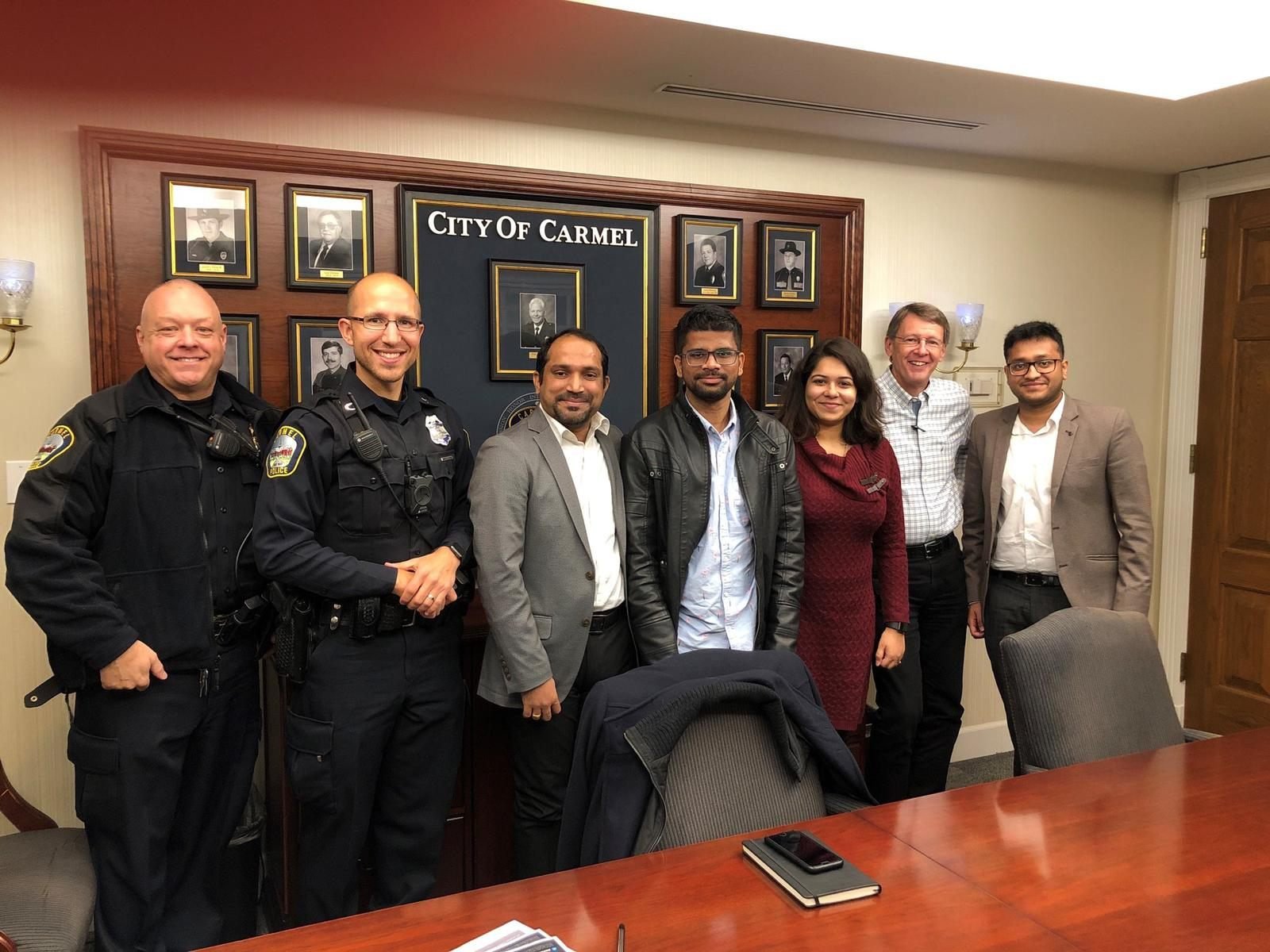
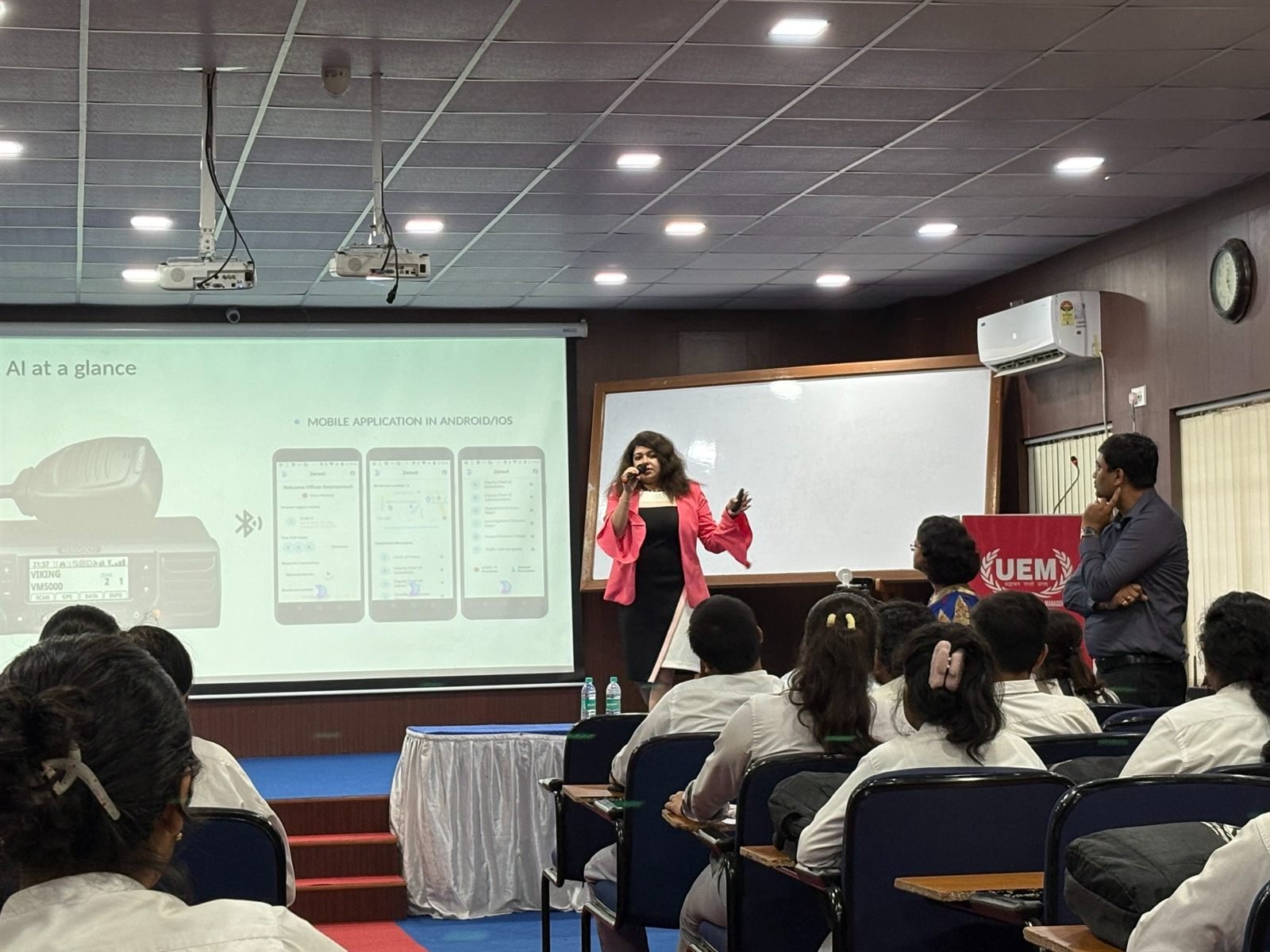
Interviews, ride-alongs and prototype testing with officers in four cities.
How we work in the field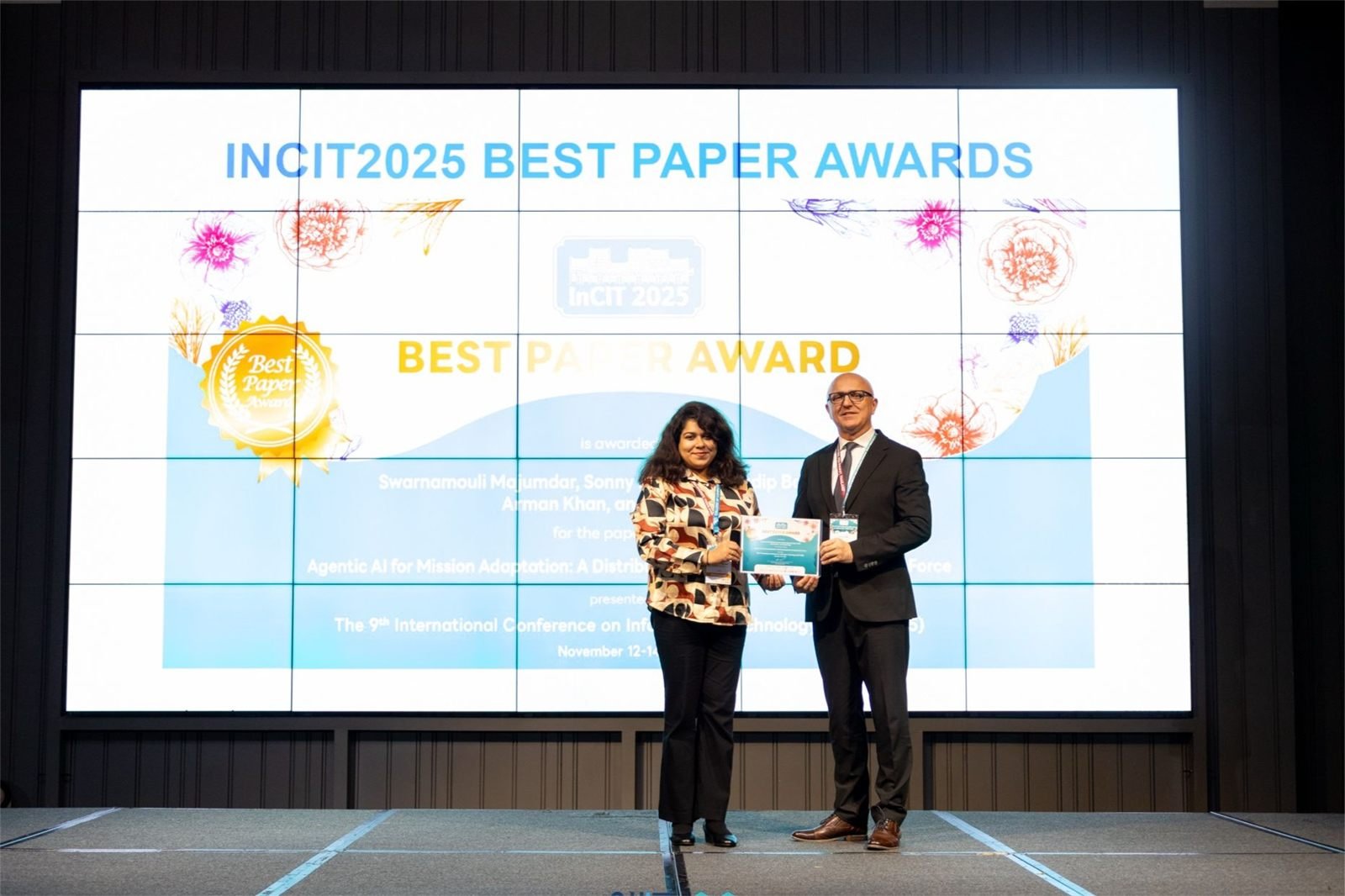
27 peer-reviewed papers, three Best Paper awards in 2025, and milestones since 2019.
Publications + milestones
Bring us a safety problem, host field research, or co-author a study.
Ways to work with us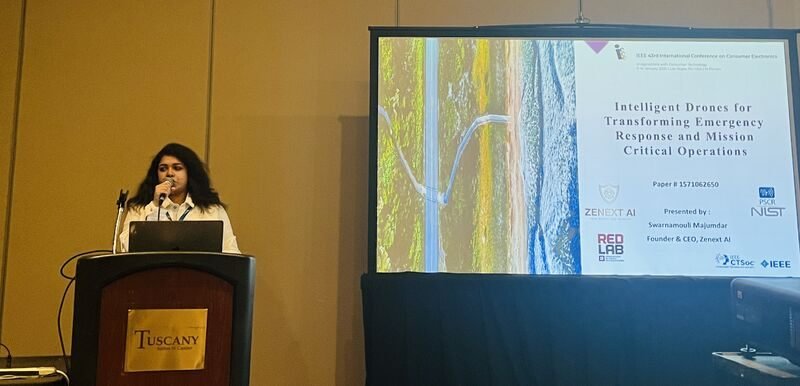
Voice-commanded drones, voice AI with IoT for rescue, and cloud fire safety.
Innovation programsResearch ethics + open science
Our standards for every study that involves officers, staff or the public.
Bioengineer.org covered our six-layer framework for keeping autonomous police and rescue drones under human authority.
Read the paperScienmag featured our conceptual framework for transparent, human-supervised drone decisions with community oversight.
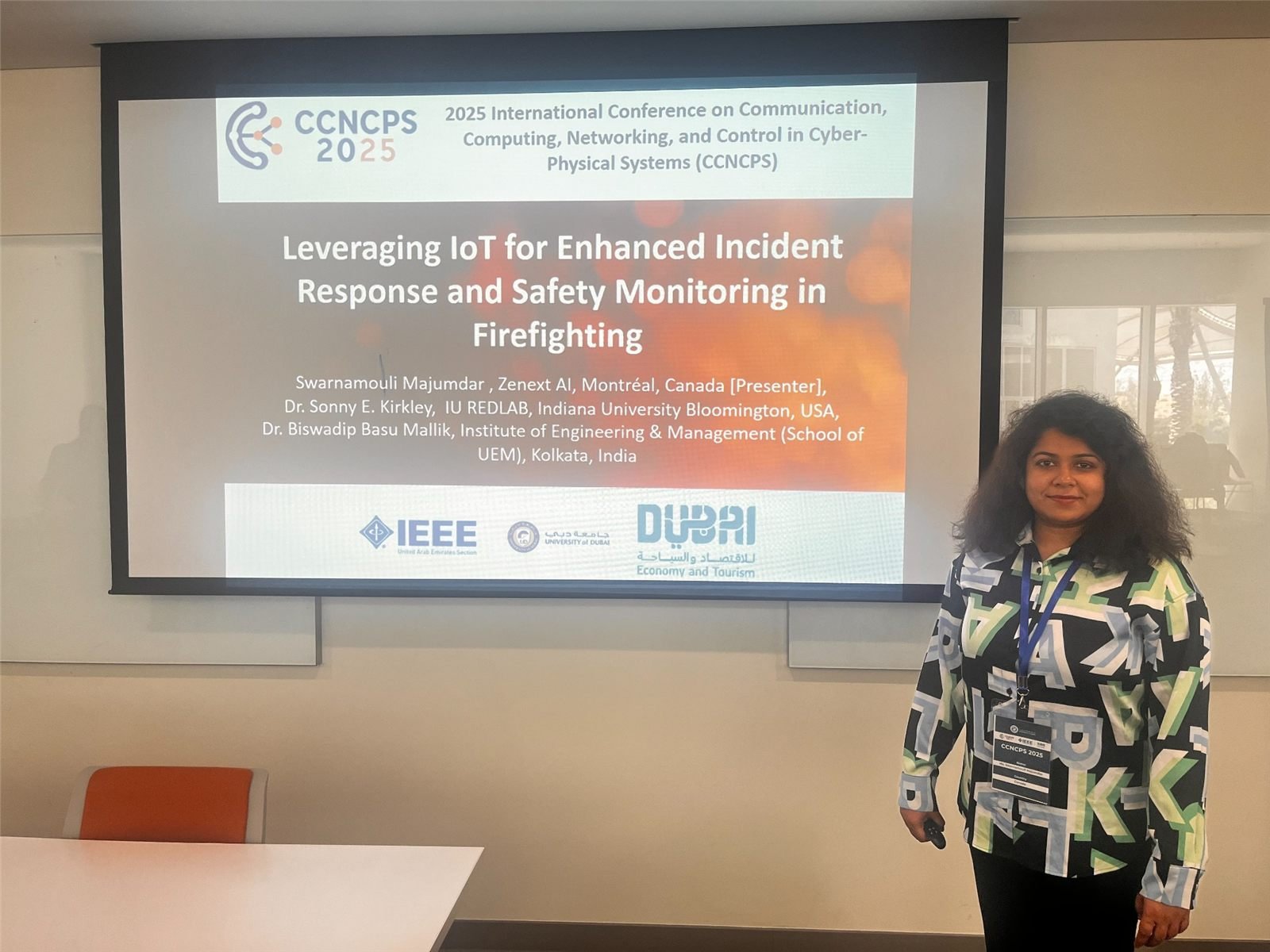
Read the paperRecognized at InCIT, IEEE CCNCPS and IEEE UEMCON, plus Best Session Research Presentation at IEEE ICCE.
PublicationsResearchers, designers and advisors from Concordia University, Indiana University and IUPUI, working alongside the officers we study with.

Lead researcher. Founder & CEO; Ph.D. candidate in Information Systems Engineering, Concordia University. Accountable AI, autonomy and voice-first systems.

Research advisor. Co-Founder & CFO; Director, IU RAD Lab, Indiana University. AI, IoT and augmented reality for public safety.
Research advisor. Professor, Information Systems Engineering, Concordia University. Co-author of our drone governance research.

UX research lead. Co-Founder & COO; M.S. Human-Computer Interaction, IUPUI. Field research and interaction design.
Students worldwide join Zenext projects in AI, human-computer interaction, data science and safety, with mentoring and a path to co-authored papers.
We collaborate with universities, labs and agencies on studies, field tests and papers. Security teams can pilot the product this research led to.